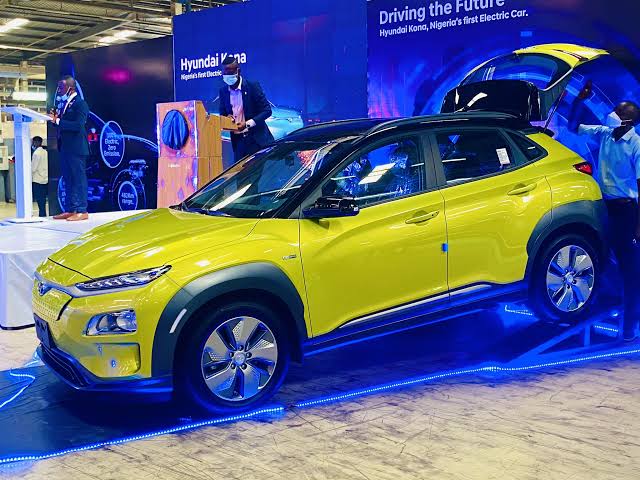
The Challenges of Implementing Electric Vehicles and Stable Electricity in Nigeria
Nigeria, a country heavily reliant on crude oil, faces numerous challenges in adopting electric vehicles (EVs) and achieving stable electricity supply. While the global trend towards sustainable transportation and renewable energy sources is gaining momentum, Nigeria’s unique circumstances pose significant obstacles to the widespread adoption of EVs and the establishment of stable electricity infrastructure. In this article, we will explore the reasons why EVs and stable electricity may not work in Nigeria, and the potential solutions to overcome these challenges.
1. Crude Oil Dependency:
Nigeria is one of the largest oil-producing countries in the world, with oil accounting for a significant portion of its revenue. This heavy reliance on crude oil creates an economic and political barrier to the adoption of EVs. The government’s focus on maintaining the oil industry’s dominance may hinder investments in alternative energy sources, such as electric charging infrastructure and renewable energy generation.
2. Lack of Charging Infrastructure:
One of the primary challenges for EV adoption in Nigeria is the lack of charging infrastructure. Establishing a robust network of charging stations requires significant investment and planning, which may not be feasible in a country with limited resources and competing priorities. Additionally, the vast geographical size of Nigeria poses logistical challenges in providing charging facilities across the country, particularly in remote areas.
3. Unreliable Electricity Supply:
Nigeria’s electricity supply is notorious for its inconsistency and frequent power outages. The existing infrastructure struggles to meet the demands of the population, let alone support the additional load from EV charging. Without a stable electricity grid, the adoption of EVs becomes impractical, as drivers would face difficulties in charging their vehicles regularly.
4. Affordability and Accessibility:
Electric vehicles are still relatively expensive compared to traditional gasoline-powered cars. The majority of Nigerians may find it challenging to afford EVs due to their higher upfront costs. Additionally, the availability of EV models in the Nigerian market is limited, further restricting accessibility for potential buyers.
5. Technological and Educational Barriers:
The successful implementation of EVs requires a certain level of technological expertise and public awareness. Nigeria may face challenges in acquiring the necessary technological knowledge and expertise to develop and maintain EVs and the associated infrastructure. Additionally, public education and awareness campaigns are crucial to dispel misconceptions and promote the benefits of EVs, which may require significant investment and effort.
Potential Solutions:
Despite the challenges, there are potential solutions to overcome the barriers to EV adoption and stable electricity in Nigeria:
1. Diversification of Energy Sources:
Nigeria should invest in diversifying its energy sources by promoting renewable energy projects, such as solar and wind power. By reducing its dependence on crude oil, the country can create a more conducive environment for the adoption of EVs and stable electricity.
2. Public-Private Partnerships:
Collaboration between the government and private sector entities can help mobilize the necessary resources and expertise to establish charging infrastructure and develop affordable EV models tailored to Nigerian conditions. Public-private partnerships can also facilitate the transfer of technology and knowledge, accelerating the adoption of EVs.
3. Policy Incentives:
The government can introduce policies and incentives to promote EV adoption, such as tax breaks, subsidies, and grants. These measures can make EVs more affordable and attractive to consumers, stimulating demand and driving market growth.
4. Capacity Building and Education:
Investing in training programs and educational campaigns can enhance the technological capabilities of Nigerians, enabling them to participate in the development and maintenance of EVs and charging infrastructure. Public awareness campaigns can also educate the population about the benefits of EVs and dispel any misconceptions.
While Nigeria’s heavy reliance on crude oil presents significant challenges to the adoption of electric vehicles and stable electricity, there are potential solutions that can pave the way for a sustainable future. By diversifying its energy sources, fostering public-private partnerships, implementing policy incentives, and investing in capacity building and education, Nigeria can overcome these challenges and embrace the benefits of EVs and renewable energy. With careful planning and concerted efforts, Nigeria can transition towards a greener and more sustainable transportation and energy system.


Leave a Reply